African Maritime Leaders Push for Unified Position on Global Shipping Emissions Rules
African maritime authorities have been urged to strengthen collaboration and technical readiness as international efforts to reduce carbon emissions in the shipping sector intensify.
The call was made during a regional meeting of African port states held in Mombasa to discuss the International Maritime Organization’s (IMO) proposed Net Zero Framework, which seeks to guide the decarbonization of global shipping.
Kenya’s Special Envoy for Climate Change, Ali Mohamed, said the continent must strategically position itself amid evolving geopolitical interests influencing global negotiations on shipping emissions. He noted that maritime transport carries more than 90 per cent of Africa’s external trade, meaning any changes in global regulations could directly affect ports, trade flows, and economic competitiveness.
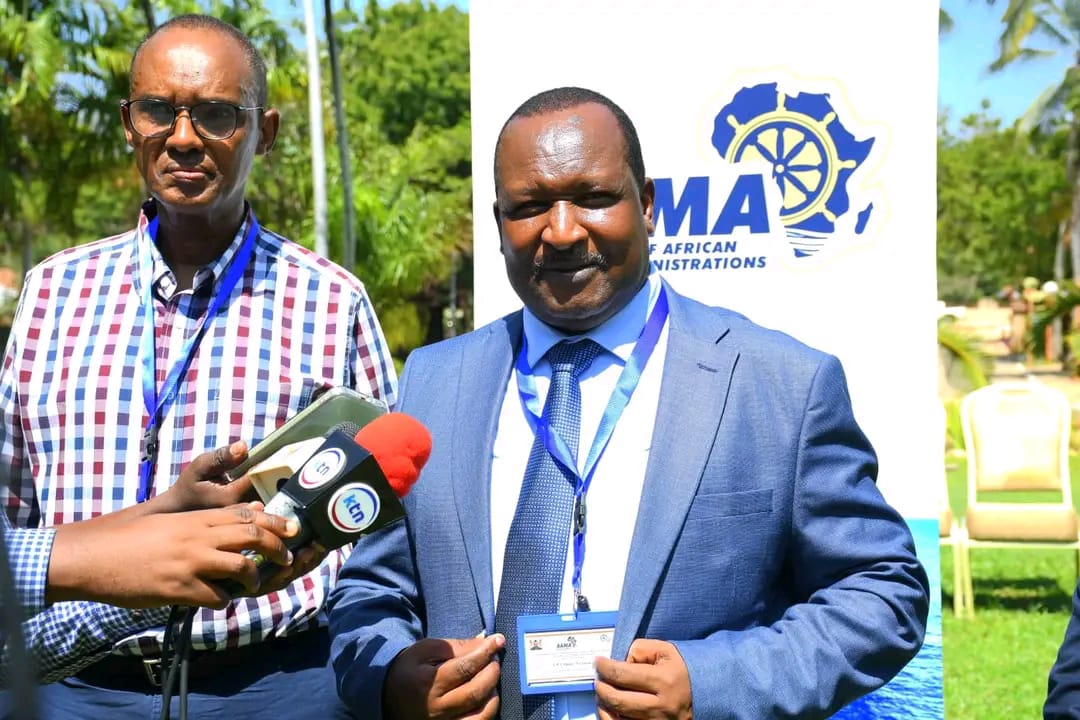
The two-day technical forum, organized under the Association of African Maritime Administrations (AAMA), brought together heads of maritime agencies to examine how the proposed IMO framework could impact African economies.
Mohamed observed that previous IMO discussions did not reach consensus on key elements of the framework, highlighting divisions among countries and broader geopolitical tensions. The adoption of the framework was postponed in 2025 after opposition from some major economies, while several developing nations raised concerns about potential increases in the cost of essential goods if levies are imposed on high-emission vessels.
The IMO is advocating a transition toward cleaner shipping operations, including the use of renewable energy sources, with penalties expected for non-compliance.
AAMA chairman and Kenya Maritime Authority Director General Omae Nyarandi described the shift to low-carbon shipping as a defining moment for Africa, warning that regulations shaped without considering the continent’s realities could raise logistics costs and weaken trade competitiveness.
He said African states must enhance coordination and present a united negotiating position to ensure the continent’s interests are reflected in global maritime policy discussions.
Despite the risks, leaders noted that the transition could also create opportunities, including modernization of ports, access to green financing, development of alternative fuels, skills advancement, and stronger coastal infrastructure.
African Union Commission transport and mobility officials emphasized that maritime transport remains central to the continent’s trade, industrialization, and regional integration agendas, and called for coherent continental coordination as global regulations evolve.
Participants at the Mombasa meeting are expected to develop shared priorities, identify investments needed for readiness, and craft a common African position to guide engagement within the IMO process.